
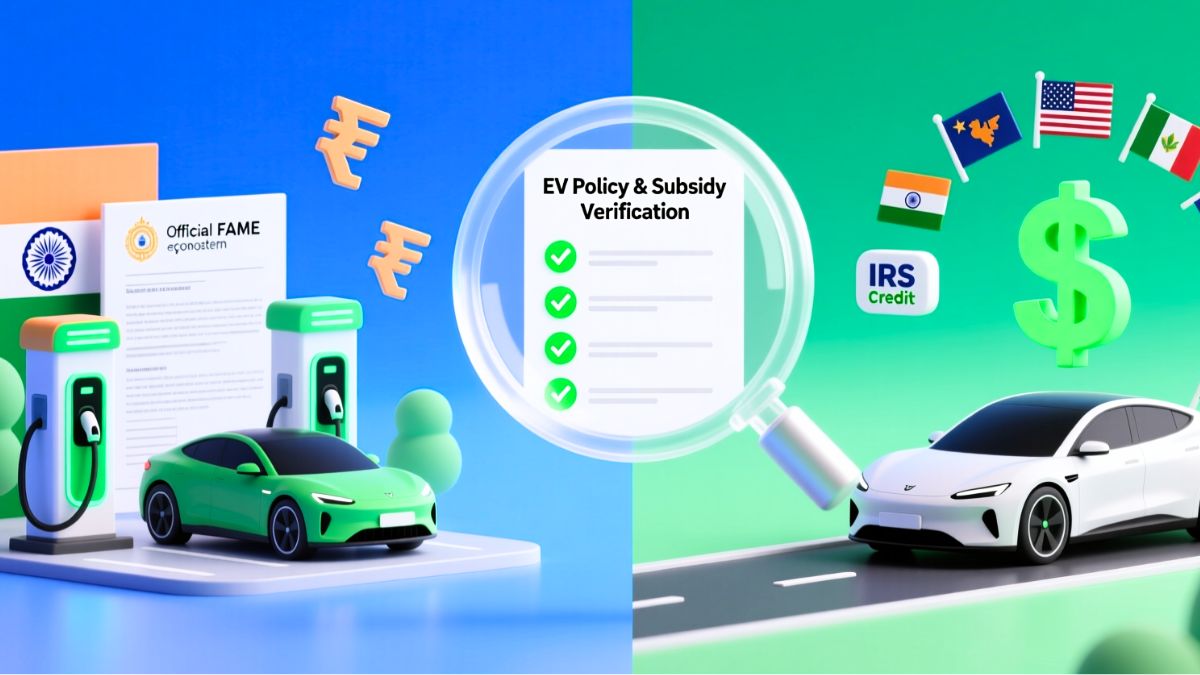

Electric Vehicle Policy & Subsidy Checks : “Electric vehicle policy & subsidy assessments” are what every EV buyer or owner wishes proper now. Why? Because knowing the policies, incentives, and how to verify them can prevent quite a few money. Whether you live in India, the us, or some place else, these checks shield you from wrong info, expired programs, and neglected chances.
What is an Electric Vehicle Policy?
Electric vehicle policy is the set of legal guidelines, rules, rules, and authorities plans about EVs. It includes:
- Who can buy or import EVs
- What protection or environmental requirements EVs ought to meet
- Rules approximately charging stations, batteries, and infrastructure
- Incentives for manufacturers or customers
In India, as an example, the National Electric Mobility Mission Plan, FAME (Faster Adoption and Manufacturing of Electric vehicles), and nation policies set the framework. In america, federal regulation plus kingdom-level guidelines form EV policy. Policies inform us how governments need EVs to develop, and what they offer in return.
What are EV Subsidies?
An EV subsidy is money or benefit given via authorities (or now and again personal entities) to support electric automobiles. This can be:
- Tax credits or tax discounts
- Grants or coins rebates when you purchase an EV
- Free or reduced registration costs
- Charging station subsidies
- Reduced import obligations
These subsidies make EVs inexpensive, inspire humans to shop for them, and push groups to construct better EV infrastructure.
Why Checks are Needed
You may additionally count on subsidies are energetic. But regularly:
- Policies expire or alternate
- State and countrywide applications overlap in confusing methods
- Some subsidies are handiest for certain models or income companies
- Claiming subsidy wrongly can result in rejection
Doing “electric powered automobile policy & subsidy tests” method you confirm:
- Is the policy/subsidy nevertheless legitimate?
- Am I eligible?
- Where / how do I follow?
- What documents are wished?
If you skip tests, you threat losing cash, breaking guidelines, or being misled.
Electric Vehicle Policy & Subsidy Checks: India
In India, many guidelines and subsidies exist—but they vary lots with the aid of state and time. Here’s what’s modern (as of September 2025), and the way you may do tests.
What’s New in India
- FAME III discussions: While FAME II is ongoing, the government is getting ready new norms; a few states are aligning with updated battery and emissions requirements.
- State-level EV policies: States like Karnataka, Maharashtra, Tamil Nadu have these days revised their incentive slabs. For instance, Maharashtra elevated subsidy for two-wheelers.
- Charging station offers: Central nod to guide putting in place public charging infrastructure; a few states provide matching presents.
- Tax policy changes: GST reductions or exemptions for positive EV components had been in talks.
How to Do Policy & Subsidy Checks in India
- Check crucial authorities web sites
- Ministry of Heavy Industries (FAME scheme)
- Ministry of Road Transport & Highways (EV norms)
- Central Board of Indirect Taxes & Customs (GST regulations)
- Check your state authorities’s internet site
- Search for “EV coverage [Your State] 2025”
- Look for incentives, subsidy tables, unique documents required
- Eligibility tick list
- Vehicle type (-wheeler / three-wheeler / four / commercial)
- Citizen / enterprise kind, earnings slab, region
- Vehicle make/model approval by using government
- Documentation and procedure
- You may additionally want registration files, evidence of purchase, vehicle model certificates, bill with GST/Harmonized System Code
- Apply through a precise organization or portal
- Verification of validity
- Sometimes subsidies are restrained through date or finances cap
- Check recent notifications / gazette updates
- Watch out for hidden clauses
- Some subsidies exclude imported batteries, others include best domestically made elements
- State vs crucial subsidy interactions might also reduce benefit
Electric Vehicle Policy & Subsidy Checks: USA
The USA has multiple layers—federal, state, and local. Doing tests there is just as important.
What’s New in USA
- Revised federal tax credit under the Inflation Reduction Act (IRA) — stricter regulations about sourcing, battery content, charge caps for eligible cars.
- Some states have boosted rebates or smooth-car credits. Example: California’s elevated rebates for low-income buyers.
- Electric charging infrastructure offers: funding from federal and kingdom-stage programs.
How to Do Policy & Subsidy Checks in USA
- Check federal programmes
- Internal Revenue Service (IRS) for tax credit info beneath IRA
- Department of Energy for infrastructure offers
- Check your country’s EV coverage
- Many states have EV incentive applications; websites typically classified “easy vehicle rebates / EV incentives [State]”
- Look for nation Department of Energy / Transportation / Environmental Protection Agency
- Eligibility
- Vehicle’s make/version should meet sourcing/battery regulations
- Buyers may additionally have earnings caps
- Price cap for vehicle value
- Application method
- File tax forms (federal tax credit)
- Possibly practice thru kingdom portals earlier than purchase or after — relies upon on jurisdiction
- Verify policy updates
- State laws alternate frequently; some incentives are restrained by fund availability
- Cross test nation vs federal overlap
- Some automobiles might also qualify for both, some for handiest one
Electric Vehicle Policy & Subsidy Checks: Other Foreign Countries
Looking at how different places do assessments enables in know-how what works—and what to avoid.
- European Union / Germany: They frequently have “automaker-declarations” plus strict CO₂ emission limits. Checks are thru authorities sites and certified dealerships. Incentives regularly lessen after a quota is met.
- China: Central subsidies plus city-degree perks like loose license plates or decreased tolls. Checks performed via neighborhood government sites. They also require proof of buy and certificates from manufacturer.
- Canada & Canada-provinces: Federal rebates + provincial ones. Rules about battery sourcing are less strict than USA once in a while. There are on line lists of eligible cars.
Key lesson: Always visit reliable assets. False or old third-birthday celebration data is common.
Tips for Doing EV Policy & Subsidy Checks
Here are clear steps to follow so your exams are correct:
- Identify your jurisdiction
- Country, country/province, city
- Find the reputable policy report
- Search government portals (for India: .Gov.In; for USA: .Gov)
- Use “EV coverage”, “EV incentive”, “EV subsidy”, “tax credit” etc.
- Confirm eligibility
- Vehicle type, make/version, buyer standards, location, income (if applicable)
- Check timeline & expiry
- Some subsidies have last date, or limited funds
- Collect required documents
- Invoice, version variety, proof of eligibility, registration, identification, etc.
- Calculate total benefit
- Don’t simply observe subsidy. Also issue tax financial savings, lower going for walks fee, country advantages
- Watch for hidden rules
- Local fees, battery starting place, whether or not import obligations follow, whether subsidies lessen if combining a couple of incentives
- Keep evidence
- Save all letters, approvals, receipts; you may need to claim subsidy retroactively
Challenges & Common Mistakes
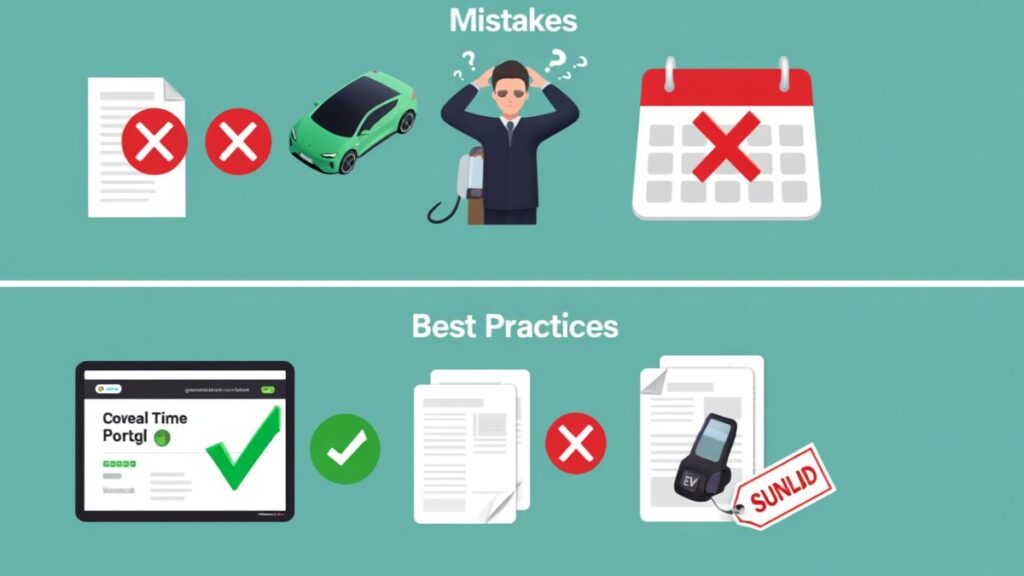
- Relying on outdated data: Many articles or dealers may also cite subsidy quantities last updated months in the past.
- Overlooking country or local guidelines: Sometimes principal subsidy is right, but kingdom/local guidelines may also restriction.
- Assuming all vehicles qualify: Only unique fashions that meet overall performance, battery, charge, or sourcing standards may qualify.
- Missing closing dates or price range limits: Some subsidies end while allocated finances are exhausted.
- Ignoring total cost: Subsidy would possibly lessen in advance cost, but different charges like charging, maintenance, registration, and so forth. Count number.
Future Trends in Electric Vehicle Policy & Subsidy Checks
- More stricter eligibility guidelines (battery source, environmental footprint) specifically in USA & Europe.
- Push for neighborhood production to qualify for subsidies. India’s “Make in India” and USA’s “Buy America / Inflation Reduction Act” are examples.
- Increased digitalization of subsidy claims — apps, online portals with real-time updates.
- Better alignment among principal/federal and country applications to lessen confusion.
- Ongoing shifts as weather objectives tighten: more EV coverage overlaps with renewable power subsidies, infrastructure funding, grid enhancements.
Conclusion
Electric car policy & subsidy exams aren’t optional. They’re critical whether or not you live in India, the united states, or every other country. If you do the paintings:
- You’ll store real cash.
- Avoid criminal or procedural surprises.
- Choose the EV option that gives you the quality benefit.
Do your checks today: look up your government website, study the cutting-edge rules, affirm eligibility, get your documents geared up. If you do that, you’ll be equipped to take complete gain of the whole lot EV incentives provide. Go for it.
FAQs for Electric Vehicle Policy & Subsidy Checks
- Q1. What is the most dependable source for electric automobile policy & subsidy assessments?
Look for reputable authorities websites (important/federal, kingdom or province). They submit coverage documents, gazettes, notification PDFs. Avoid relying simplest on supplier or news-blogs until they cite official assets.
- Q2. Can I practice for subsidy retroactively?
Sometimes yes, if the coverage lets in it. But many programs require applying earlier than or at the time of buy. Check the policy’s terms cautiously.
- Q3. Does each EV model qualify for subsidies?
No. Only models that fulfill specific requirements—battery type, environmental standards, charge cap, every so often nearby production—will qualify.
- Q4. Do electric powered automobile policy & subsidy exams additionally include checking for infrastructure incentives?
Yes. Subsidies for charging stations, grid assist, and other infrastructure are a part of the broader policy environment. These too need verification.
- Q5. How regularly do rules/subsidies change?
It relies upon, but frequently every year or bi-annually. In periods of climate or price range making plans you may see faster adjustments. That’s why checking the date of the policy be aware is vital.


 By
By