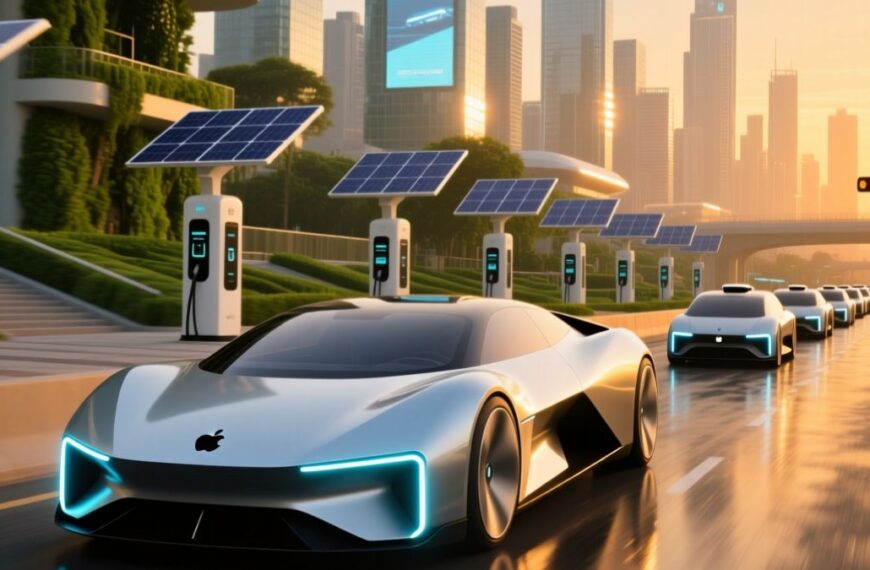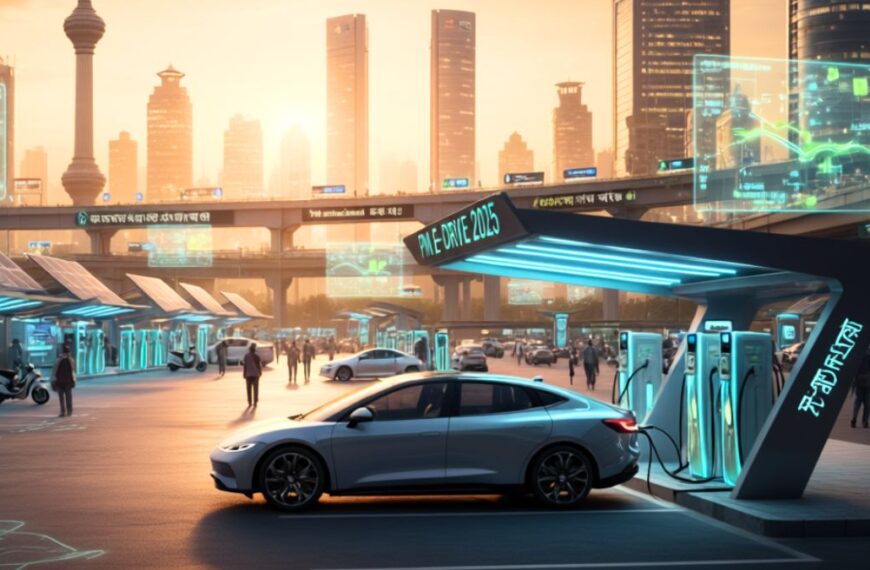

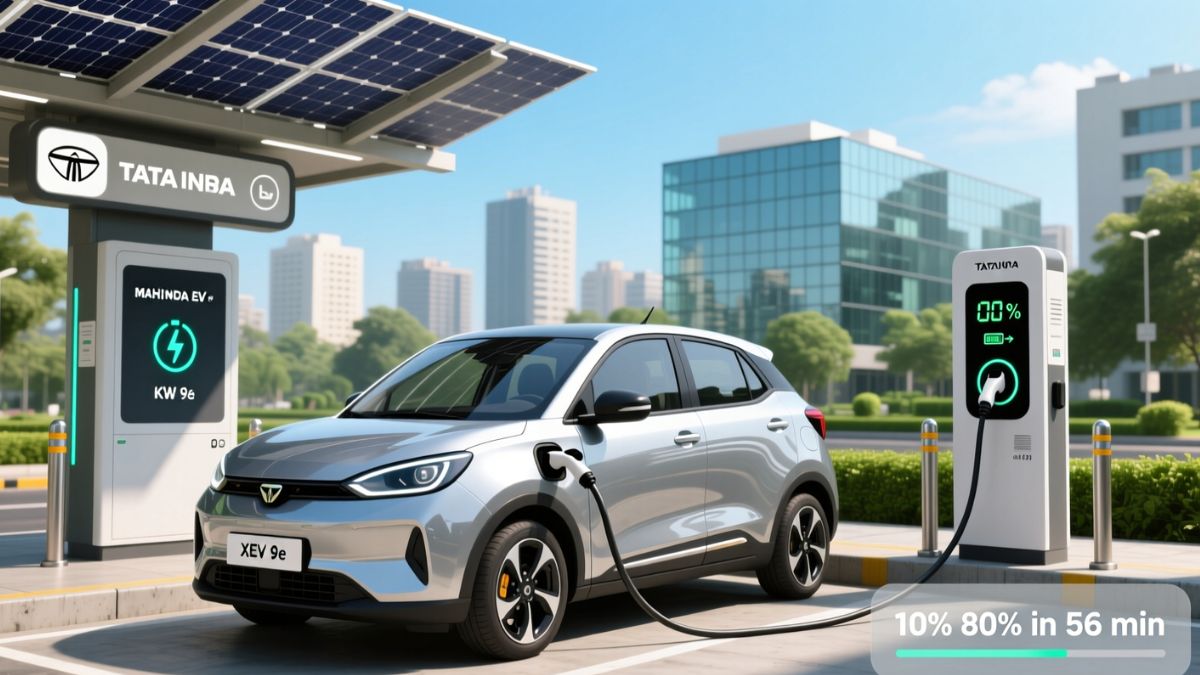

EV battery charging time 2025 is one of the top questions electric powered car customers ask these days. Whether you live in India, the US or someplace else, understanding how charging devices work and how lengthy they take is crucial. In this text, you’ll get a clean and updated view of EV battery charging devices and actual charging times. We will blend easy thoughts and deeper explanations—so it’s equipped for each novices and curious readers.
EV Battery Charging Unit: What It Means
An EV battery charging unit is the hardware that delivers electricity from the grid (or every other energy source) into an electric car’s battery. You can consider it like a “fuel pump,” but for power.
There are two important roles on this device:
- The charging station / charger (outdoor the auto)
- The on-board charger / Battery Management System (BMS) (inside the automobile) MDPI+1
Types of Charging Units / Station Levels
Charging devices are regularly grouped by means of stages, each with specific speeds (electricity) and use cases.
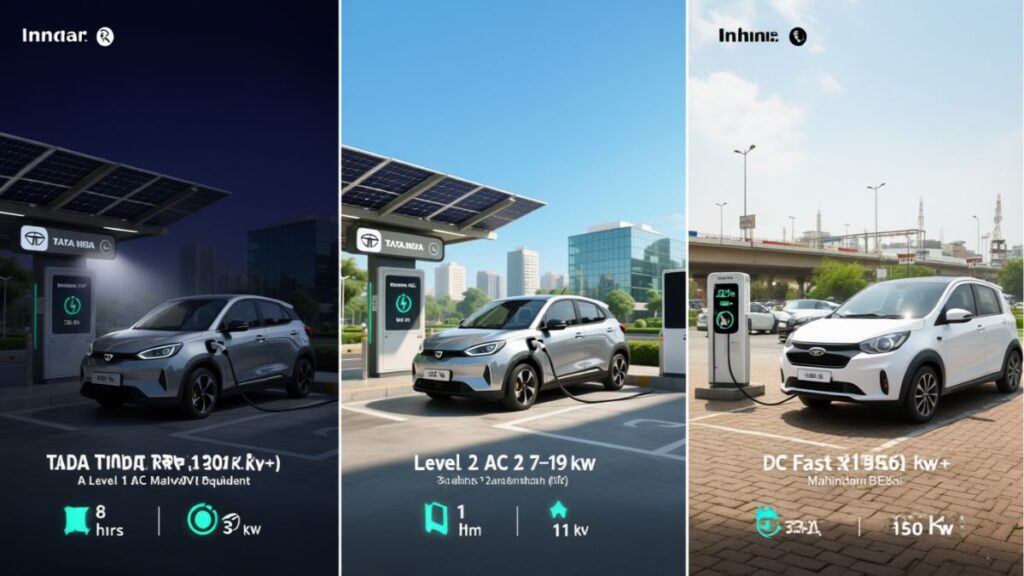
| Level | Power / Voltage | Common Use | Typical Time to 80% |
Level 1 (AC, ~120 V in US) | ~1 kW or less | Very slow home/backup | 40–50+ hours for full EV |
| Level 2 (AC, ~208–240 V) | 7 kW to ~19 kW or more | Home, workplace, public slower chargers | 4–10 hours to 80% |
| DC Fast Charging (DCFC) | 50 kW to 350 kW (or more) | Public highways, fast charging hubs | 20 minutes to 1 hour (for 80%) |
Key Components within the Charging Unit
- Power electronics & converter: to transform voltage and modern into what the battery expects.
- Cooling & thermal management: excessive energy charging generates heat and ought to be controlled.
- Communication interface: charger and automobile must “communicate” (handshake) to make sure safe right charging.
- Connectors and sockets: requirements like CCS, CHAdeMO, or Type 2 are commonplace. Wikipedia+1
Matching Charger to Vehicle
A charger may additionally have excessive output, but your EV can handiest take delivery of up to a sure charging charge. For example: in case your EV accepts 50 kW max, despite the fact that the charger is 150 kW, you’ll handiest get 50 kW. chargehub.Com
Also, battery fitness, temperature, and nation of rate (how complete the battery is) have an impact on how rapid the charging is allowed.
EV Battery Charging Time: What to Expect
Now, allow’s dig into the second one heading: EV battery charging time.
Factors That Influence Charging Time
Charging time isn’t fixed. Several factors have an effect on how speedy your EV can rate:
- Battery ability (kWh): Larger batteries take more time.
- Maximum charging price (kW) your EV helps: If restrained, that caps velocity.
- Charger strength: A very strong charger lets your car fee faster (if allowed).
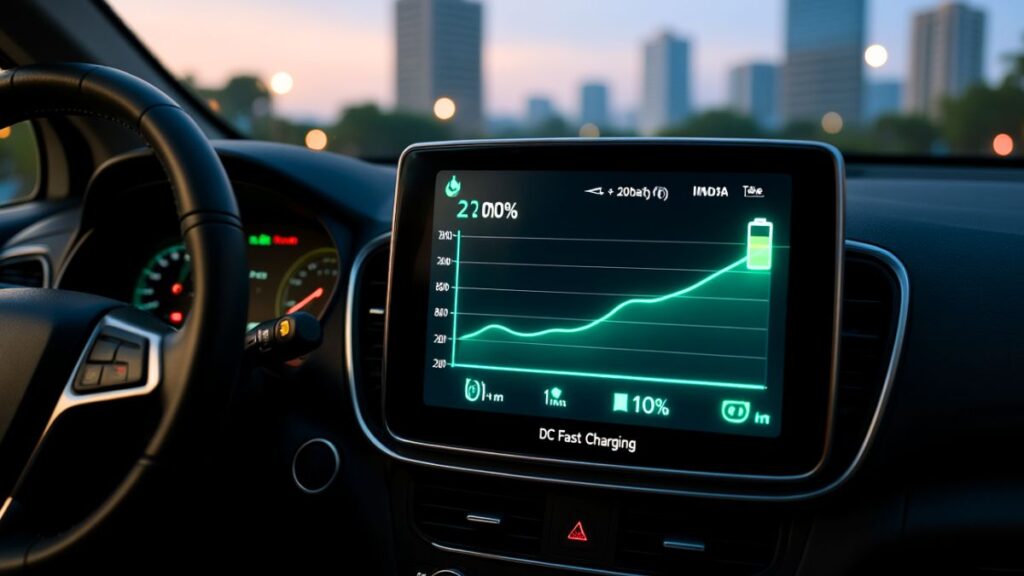
- State of price (SOC): Charging is quicker while battery is low; slows down near full.
- Battery temperature: Very cold or hot batteries charge slower for safety.
- Age and condition of battery: Over time, battery inefficiencies gradual charging.
Typical Charging Times (2025)
Using recent records and actual-international examples:
- In India, many public chargers are now “rapid chargers” (DC) instead of most effective AC sluggish ones. Servotech Renewable Power System Limited+2Anari Energy+2
- For instance, the Tata Punch.Ev can rate 10–80% using DC rapid in ~56 mins. Tata Motors EV
- Tata Tiago EV: three.3 kW AC charger takes ~eight.7 hours (10–a hundred%); 25 kW DC charger takes ~58 mins to move 10–eighty%. Wikipedia
- Mahindra BE 6 (fifty nine kWh p.C.): DC fast (one hundred forty kW) gives 20 minutes more or less (20–80%). Wikipedia
- In wellknown, Level 2 (AC) price from empty to eighty% takes 4–10 hours relying on charger and battery length. Department of Transportation+2EPA+2
- DC fast: 20 min to one hour to attain 80%. efillelectric.Com+3Department of Transportation+3evgo.Com+three
So in 2025, you must anticipate:
- Home charging (AC Level 2): overnight price, regularly 6–10 hours.
- Public DC speedy charging: partial (e.G. 20–80%) in 20–60 minutes.
- Full rate to one hundred% on DC: regularly a great deal slower after 80%, so not efficient to head fully in many cases.
Why Charging Slows After 80%
As a battery fills, inner resistance rises and charging should sluggish to avoid damage or overheating. That’s why the last 10–20% takes disproportionately longer.
In practice, many EV customers most effective fee as much as about eighty% unless they surely want full variety.
Emerging Advances
Researchers in 2025 are pushing new technology to cut charging time even similarly:
- A new lithium-ion battery layout can be charged in 10 mins even in bloodless temps. pv mag International
- BYD’s “Super e-Platform” claims a take a look at result of 470 km range in only five mins of charging. The Indian Express
- Startups like Exponent Energy in India have built stations that declare complete EV fee in ~15 mins. Harvard Business School+1
These are nevertheless early or prototype technology. Widespread adoption will take time.
Better Charging Experience: Tips & Best Practices
To get the most out of your EV battery charging unit and reduce charging time anxiety, comply with these pointers:
- Charge among 20% and 80%: Avoid deep discharge and avoid topping off over 90–a hundred%. MYEV Portal India+1
- Use DC speedy most effective while needed: Frequent use may also stress battery more than moderate AC charging.
- Precondition battery temperature (in case your car helps it): heat or cool battery before fast charging.
- Plan route round speedy charger availability: In India, highway rapid chargers are developing below schemes like PM E-DRIVE. Tata Motors+3The Times of India+3Anari Energy+3
- Match charger max for your car’s popularity: Using a charger lots more powerful than your car can receive doesn’t assist.
- Avoid hot temperature charging: Very bloodless or hot climate slows charging.
- Keep battery software program updated: Updates often optimize charging algorithms.
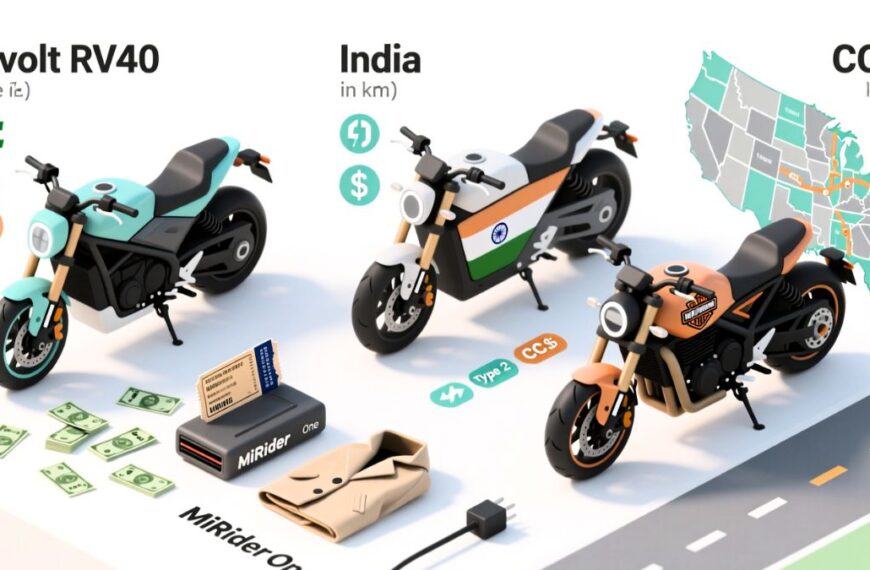
EV Charging Scenario: India vs USA
While the basics are identical globally, some variations affect actual charging revel in in India vs the us (or other international locations):
India
- Charging infrastructure is swiftly expanding beneath government schemes. For example, ~seventy two,three hundred public charging stations are being deliberate underneath PM E-DRIVE. The Times of India+2Anari Energy+2
- Public chargers in India are moving to rapid (DC) mode to meet user expectancies. Servotech Renewable Power System Limited
- Already, Mumbai has a charging hub capable of a hundred and twenty kW rapid charging for as much as sixteen EVs simultaneously. Tata Motors
- A venture stays grid strain, uneven geographical spread (city bias), and interoperability throughout charger networks. Anari Energy+1
USA
- Many EV proprietors depend upon home charging (Level 2) in a single day.
- Public DC fast charger networks are extra mature, with stations of fifty–350 kW in lots of corridors. evgo.Com+1
- Standards are greater unified, and reliability expectations have a tendency to be better.
- Because many homes have get entry to to 240 V circuits, in a single day charging is common and limits “variety tension” vs needing consistent speedy public charging.
So, in both international locations, rapid public charging is crucial for lengthy journeys, even as home AC charging handles every day trip needs.
EV Battery Charging Time 2025 — What You Should Know
Here is a deeper cognizance at the key-word in a heading, to meet the search engine optimization requirement and toughen consumer readability.
- In 2025, EV battery charging time is no longer a secret: many EVs can do 10–80% in below one hour thru DC fast charging.
- But for complete rate (0–one hundred%), assume many hours with AC or some time misplaced in tapering the last 10–20%.
- The real world charging time depends heavily on where you rate (domestic vs public) and which charger you use.
- New tech (10 min batteries, five min systems) aim to revolutionize this panorama within the coming years.
Real-Life Example Comparisons
Let’s compare two hypothetical cases:
| EV & Battery | Home AC (7 kW) | DC Fast (50 kW) | DC Fast (150 kW) |
| 60 kWh battery | 8–9 hours full | 1.5 hours to 80% | 30–40 minutes to 80% |
| 40 kWh battery | 5–6 hours full | 1 hour to 80% | 25–30 minutes to 80% |
These are tough estimates. The more effective the DC charger, the bigger the profits — as long as your EV can receive it.
Conclusion
In 2025, the EV battery charging unit is a mature idea, from gradual home AC chargers to powerful DC rapid stations. EV battery charging time has shortened dramatically versus in advance years, in particular with the increase of public speedy charging infrastructure. Still, the real time you enjoy depends on battery length, charger energy, and conditions.
If you are charging nightly at home, anticipate numerous hours. If you hit a public DC rapid charger, plan for partial fees (like 20–80%). And maintain a watch on new breakthroughs — the day when a full fee happens in just mins is getting closer.
If you want, I can also generate an India-specific model or USA-unique version, or even tailor a weblog publish for a site. Do you want that?
FAQs for 2025 Guide : EV Battery Charging Units Work
- Q1. What is the quickest possible EV battery charging time in 2025?
In research and prototype checks, 10 mins for complete is being claimed (in lab settings) with new battery chemistries. pv mag International In exercise, 20–half-hour is usual for 10–80% on high-strength chargers.
- Q2. Can I constantly fee to one hundred% speedy?
No. Chargers and battery control structures generally slow dramatically after ~eighty% to shield battery health, so the remaining 20% can take as lengthy or longer as the earlier fast element.
- Q3. Does speedy charging reduce battery lifestyles?
Frequent fast charging can stress batteries, in particular if executed at extremes. It’s better to apply AC charging for routine top-united statesand reserve DC fast charging for whilst wished.
- Q4. Should I set up a quick DC charger at my domestic?
For maximum users, home AC (Level 2) is enough. DC speedy chargers are expensive, need high strength supply, cooling, and won’t be realistic or price-powerful in a home setting.
- Q5. Will future EVs price fully in five mins?
Possibly, sure. Technologies like BYD’s platform and lab breakthroughs recommend it is able to be viable in coming years. The Indian Express+1

 By
By canadian pharmaceuticals online safe says: