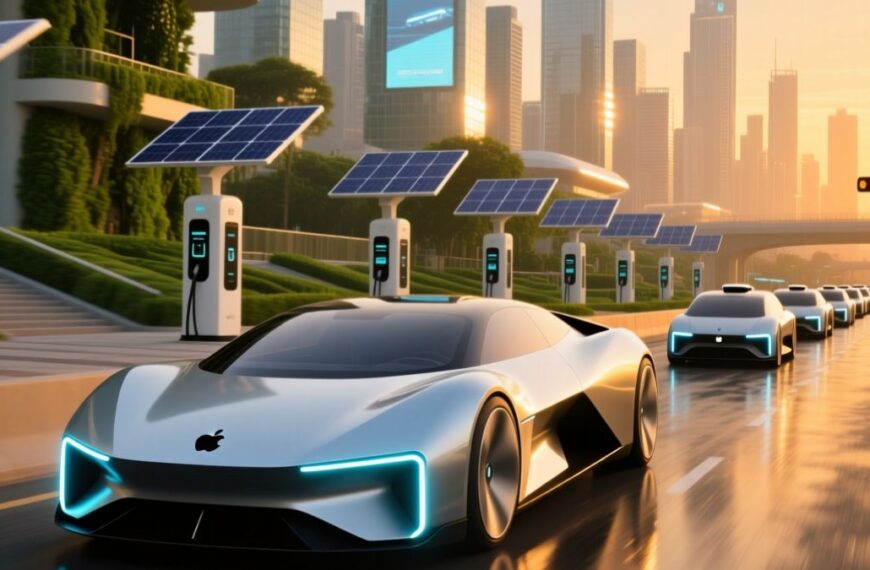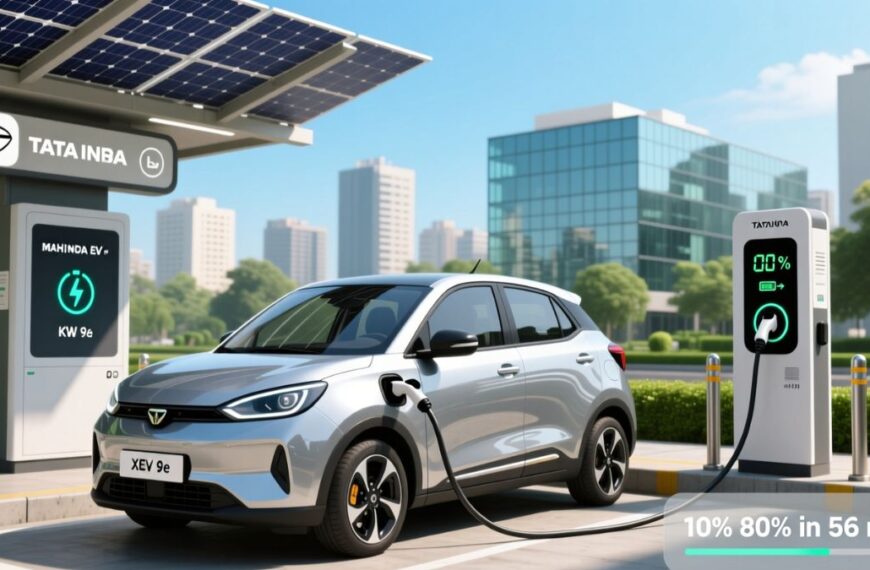

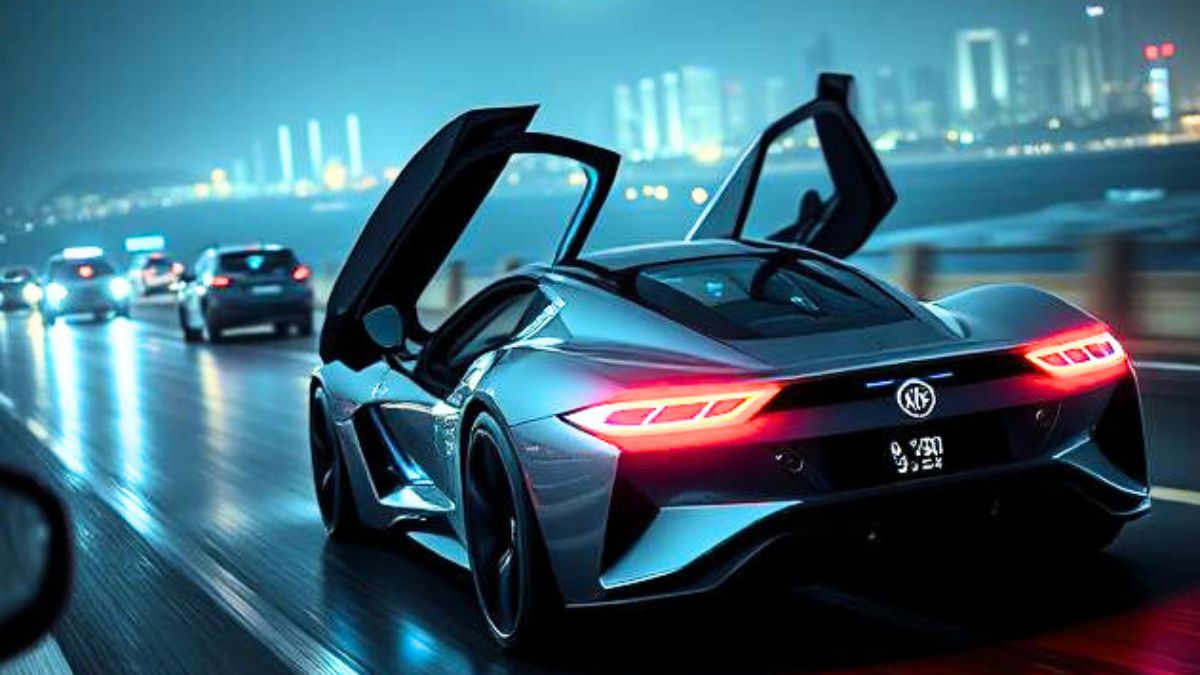

Electric sports car in India is no longer just a dream. It’s becoming reality. Faster, cleaner, exciting cars powered by electricity are showing up here. Not just abroad, but in our cities too. This article explores where we stand now, what’s coming, what problems we have, and why the future is bright.
What Is an Electric Sports Car?
An electric sports car is a vehicle built for speed, style, and performance—but powered by electric motors and batteries instead of a petrol or diesel engine. Key features usually include:
- High acceleration (0–100 km/h in a few seconds)
- Strong motor power and torque that give instant thrust
- Light but strong design and good aerodynamics
- Fast charging ability, so performance isn’t held back by battery limitations
- Advanced tech: good brakes, suspension, possibly ADAS (driver assistance) and driving modes
Globally, people expect luxury touches too: sleek design, high-end interiors, connectivity.
Global Trends for Electric Sports Cars (2025)
Around the world, electric sports cars are growing fast. Take Tesla’s Model S Plaid, Porsche Taycan, or newer entrants by less-known brands—these cars are proving EV sports cars can beat many petrol cars in speed. Battery pack technology is improving, giving longer range without adding too much weight. Charging infrastructure is getting faster (high–power DC chargers). Governments in some places give incentives. Buyers abroad expect both performance and sustainability.
All this sets expectations high. When someone in India says “electric sports car,” they also think “can it perform like global models?” Because they see them online or hear about them.
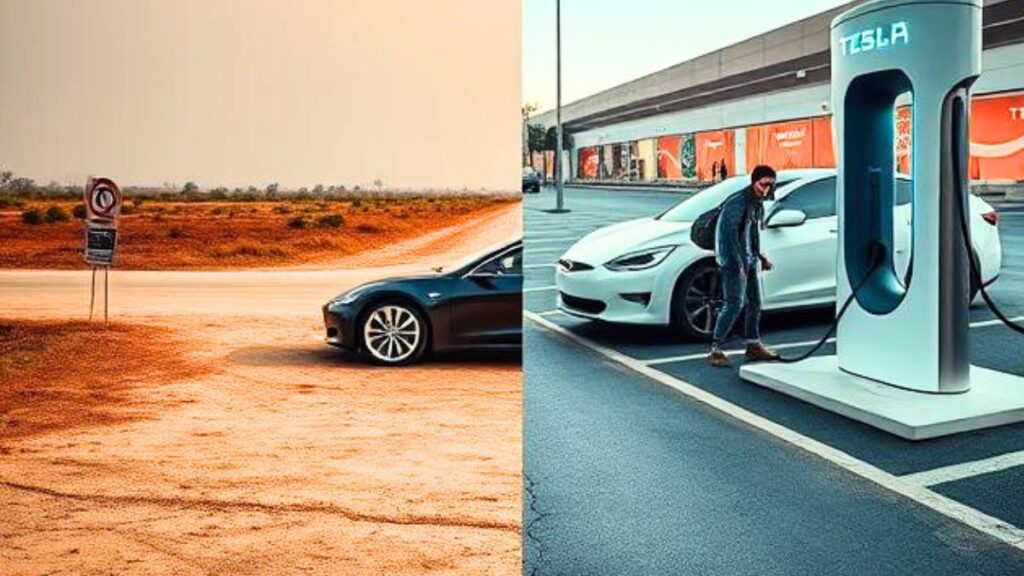
Challenges for Electric Sports Car in India
Even though global trends are strong, India has hurdles:
- Cost is high. Import duties, taxes, expensive batteries, lack of local production for specialty parts push price high. A luxury EV sports car becomes very expensive.
- Charging network is limited. Fast DC chargers are few outside metro areas. Long trips, highway runs become tricky.
- Battery skepticism. People worry about battery life, replacement cost, performance in hot climates (India can get very hot).
- Servicing & maintenance. Sports cars need precise maintenance. For EV sports cars, skilled technicians, parts, software support are needed—but not everywhere.
- Consumer perception. Many people think EVs are slower, less fun, or “just for commuting.” Changing that mindset takes time.
- Policy / regulation. Tax breaks, safety regulation, EV incentives matter. If governments make it easier, EVs can be more competitive.
What India Has or Is Getting Soon: Models & Moves
India is seeing its first real steps towards EV sports cars. Some are local, some imports, some just announced.
- MG Cyberster: Probably the most obvious example. Launched in mid-2025 in India. It is a luxury roadster. It gives about 510 PS power, and can go 0-100 km/h in ~3.2 seconds. mgselect.co.in+2The Economic Times+2 It costs ~ ₹72.5-₹75 lakh (ex-showroom) depending on booking. The Economic Times+1 This shows that Indian buyers will really get performance if they pay for it.
- Tata Harrier EV: Though it’s more SUV-style than “pure sports car”, it has performance variant features. Dual motors, AWD, strong acceleration (in “Boost mode”), good range. Wikipedia It gives us a benchmark: EVs in India can be more than just city-ride cars.
- Lotus Theory 1: A concept from Lotus, not yet in India (production around 2027 expected), but it sets a goalpost. ~986 hp, 0-60 mph in under 2.5 seconds, top speed over 300 km/h. Wikipedia
- Mahindra BE 6, Tata Curvv EV, etc.: These are not exactly sports cars, but they show improving power, handling, range. They help build infrastructure, market confidence, technology base. Wikipedia+2Wikipedia+2
- Policy & infrastructure: Companies like VinFast are building plants in India, expanding dealerships and charging infrastructure. Reuters+1
So, India is not there yet with many full-sports EVs, but the pieces are coming together.
What Needs to Improve / What to Expect
To have more electric sports car in India, several things need to improve:
- Cheaper batteries & local manufacturing: If we can produce key parts in India, costs come down. More investment in battery factories helps.
- Better charging infrastructure: Especially highways, tier-2/tier-3 cities need fast chargers. If you’re worried about running out of charge, you won’t buy a sports EV.
- Government incentives: Lower tax, import duty, subsidies, maybe benefits for high performance EVs, reliability, safety.
- Consumer awareness: Let people test drive, show how EV performance can beat petrol sports cars. Marketing needs to highlight not only eco-benefits but thrill.
- After-sales service & support: Skilled technicians, availability of spare parts, software updates.
- Adapt to climate & terrain: Batteries need to perform in heat, roads are rough in many places; suspension, cooling systems must be robust.
Why an Electric Sports Car in India Makes Sense
- Lower noise, zero tailpipe emissions: For city driving, cleaner air.
- Instant torque: Electric motors give power immediately, good for overtaking, acceleration.
- Fewer moving parts: Less mechanical complexity (no oil changes, fewer parts to break).
- New tech features: Many EVs come with ADAS, instant connectivity, better infotainment; buyers in India like features.
- Long-term savings: Electricity can be cheaper than petrol; maintenance can be lower (though initial cost is high).
Risks & What To Watch Out For
- Charging availability remains a major concern.
- Depreciation of EVs isn’t well known yet in India; battery health over years…
- Performance claims vs real performance (range in extreme heat, speed on hills) may differ.
- Insurance cost for performance EVs may be high.
- Infrastructure grid stability: if power supply is inconsistent, charging may be unreliable.
Conclusion
Electric sports car in India is no longer a sci-fi idea. The strong performance EVs are arriving. MG Cyberster is one. Tata Harrier EV shows what even non-sports cars can do. But we’re not yet at the place where most people in India can afford or use one easily. Still, the future looks exciting.
With better batteries, more fast chargers, supportive policy, and growing consumer desire, I believe India will see more electric sports car models in the next few years. They will get faster, cheaper, more practical. When that happens, it won’t just be about speed. It will be about luxury, sustainability, thrill—and doing all that quietly.
FAQs for Electric Sports Car in India
- What exactly counts as an electric sports car?
An electric car with high performance: quick acceleration, strong power/torque, good handling, often sporty design. Not just any EV.
- Is a sports EV practical in India?
Yes, in cities and for owners who don’t travel far each day. But for long highway trips, until charging infrastructure improves, some challenges remain.
- How much does an electric sports car cost in India?
Prices are high now. For example, MG Cyberster is ~₹72-75 lakh. Costs depend heavily on features, battery, motors.
- How is range and battery life in Indian conditions?
Range may drop in hot weather, with AC on, or when driving fast. Battery cooling, quality, and usage pattern matter a lot.
- When will more electric sports cars be available in India?
Within next 2-5 years expect more. Local production, better tech, more investment are pushing new EV sports models into India.

 By
By