

Electric Vehicle Battery Charging : Electric car battery charging is one of the most mentioned topics in today’s shipping world. As EV adoption grows in India, the us, and lots of other countries, human beings are eager to understand how charging works, what types are to be had, how a lot it expenses, and the way it influences battery existence. Charging is not just about plugging in a vehicle; it’s miles the foundation of the EV revolution. Without dependable, fast, and cheap charging, electric automobiles can’t turn out to be mainstream.
In this manual, we can discover everything about EV battery charging – from basics to infrastructure, expenses, challenges, and the future.
Basics of Electric Vehicle Battery Charging
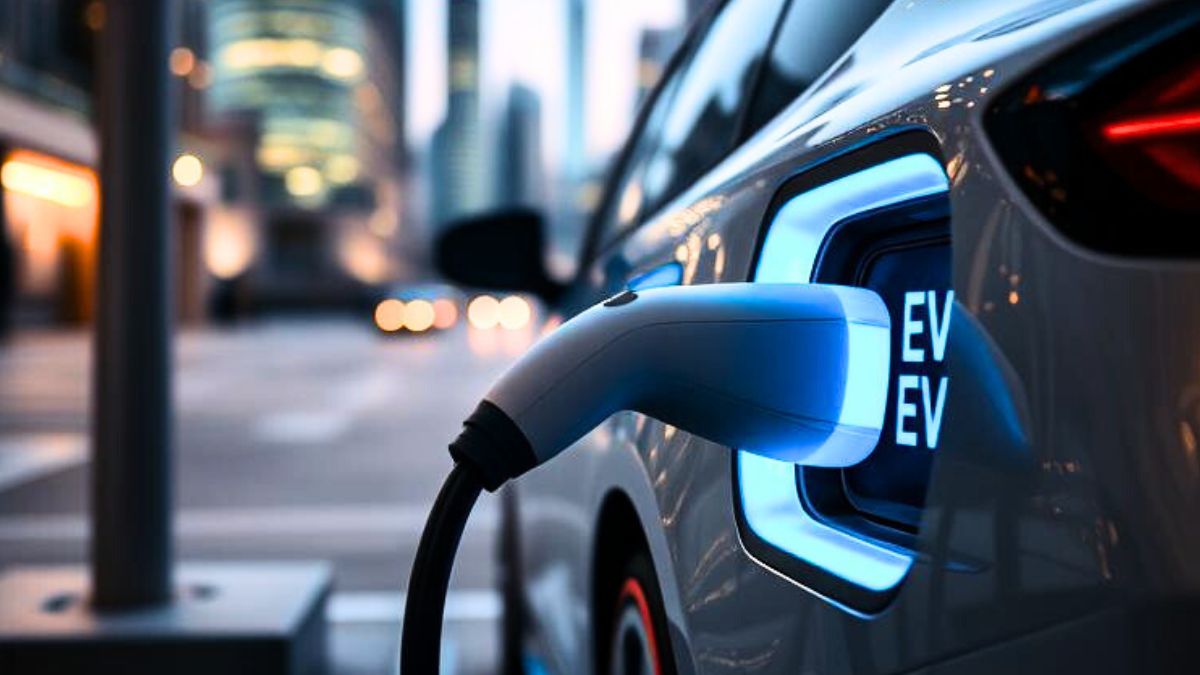
At its middle, electric car battery charging is the method of imparting electricity to a vehicle’s rechargeable battery %. Most modern-day EVs use lithium-ion batteries, that are extensively utilized in smartphones and laptops however on a much larger scale.
Charging velocity and performance rely upon two things:
- Battery capability – measured in kilowatt-hours (kWh).
- Charger kind – sluggish AC chargers, rapid DC chargers, or advanced ultra-fast systems.
Proper charging is important as it immediately impacts:
- Driving variety of the EV.
- Overall battery lifespan.
- User convenience.
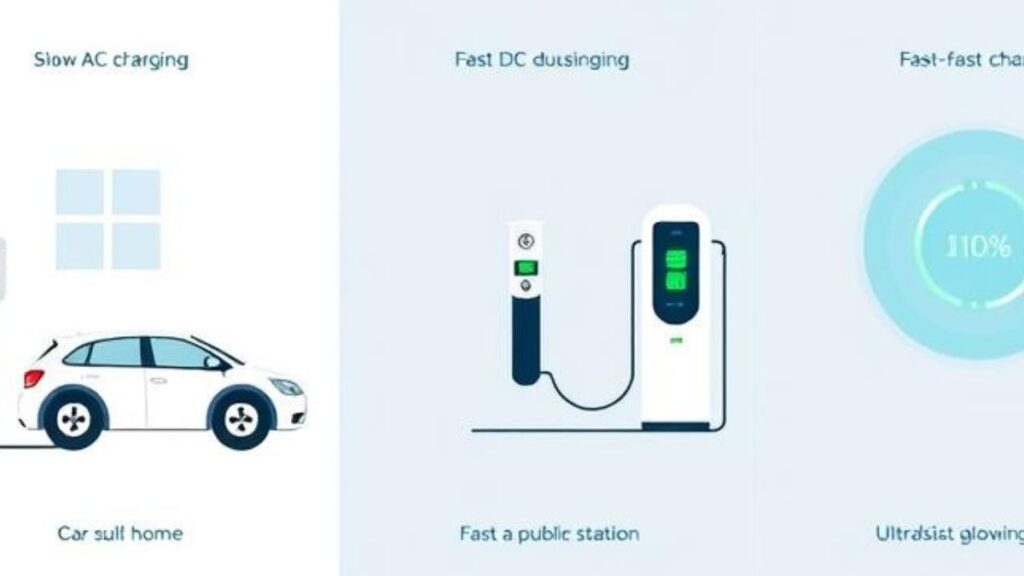
Types of EV Charging
Slow Charging (AC Level 1 & Level 2)
This is the most not unusual shape of electric automobile battery charging for every day use.
- AC Level 1 Charging:
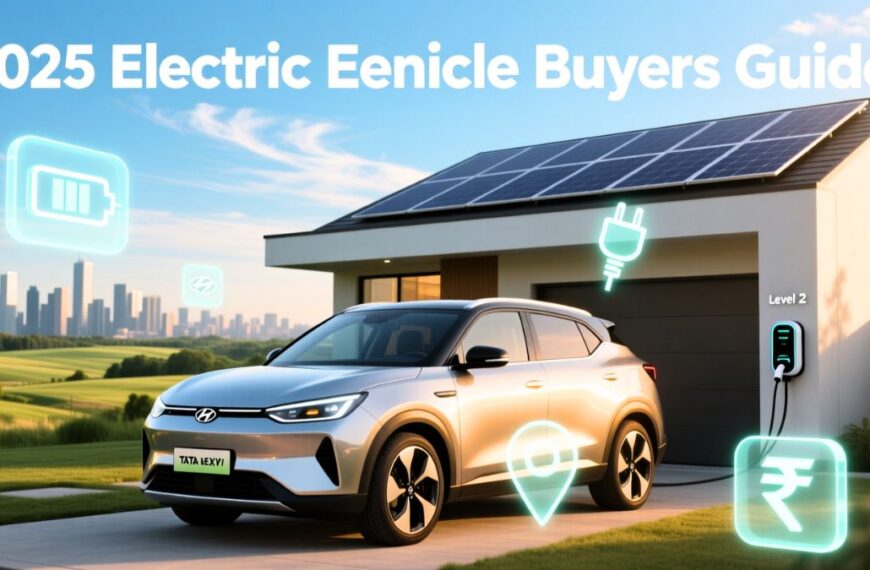
- Uses a widespread household socket (230V in India, 120V in the USA).
- Takes eight–12 hours for a full price.
- Best for overnight charging at domestic.
- AC Level 2 Charging:
- Requires a committed wall container or charging factor.
- Voltage: 230–240V in India and Europe, 240V in the USA.
- Charging time: four–6 hours relying on battery length.
Pros: Affordable, convenient, and secure for regular use.
Cons: Too gradual for long-distance vacationers.
Fast Charging (DC Charging)
Fast chargers use direct contemporary (DC) in place of alternating current (AC). These chargers are typically located at public charging stations.
- Charging speed: 30 minutes to one.Five hours for 80% rate.
- Examples: Tesla Superchargers inside the USA, Tata Power & Statiq in India, IONITY in Europe.
Pros: Saves time, ideal for highways.
Cons: Expensive infrastructure, can slightly strain the battery if used daily.
Ultra-fast & Wireless Charging
The trendy improvements consist of ultra-speedy chargers (350 kW and above) and wireless charging pads.
- Ultra-fast charging can supply 200–300 km variety in only 15–20 mins.
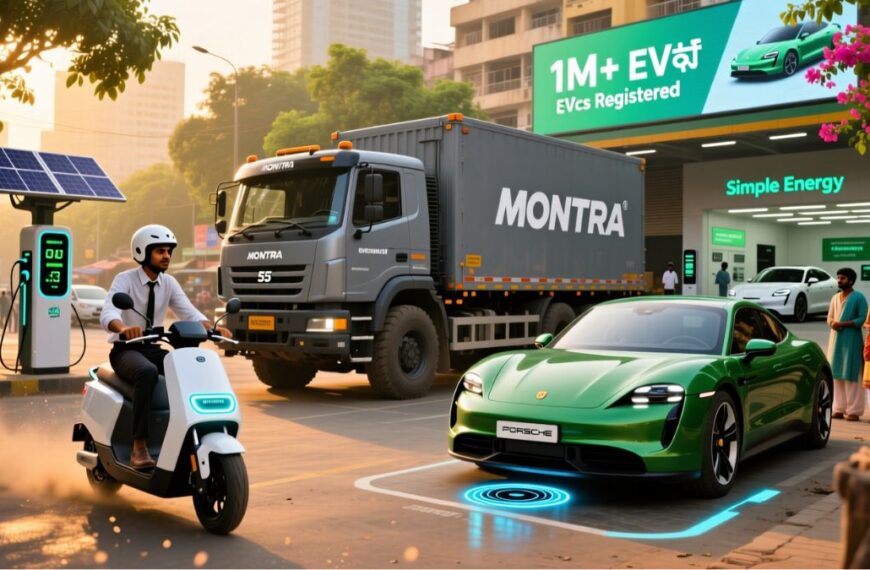
- Wireless charging allows EVs to charge certainly by way of parking on a charging pad – no cables needed.
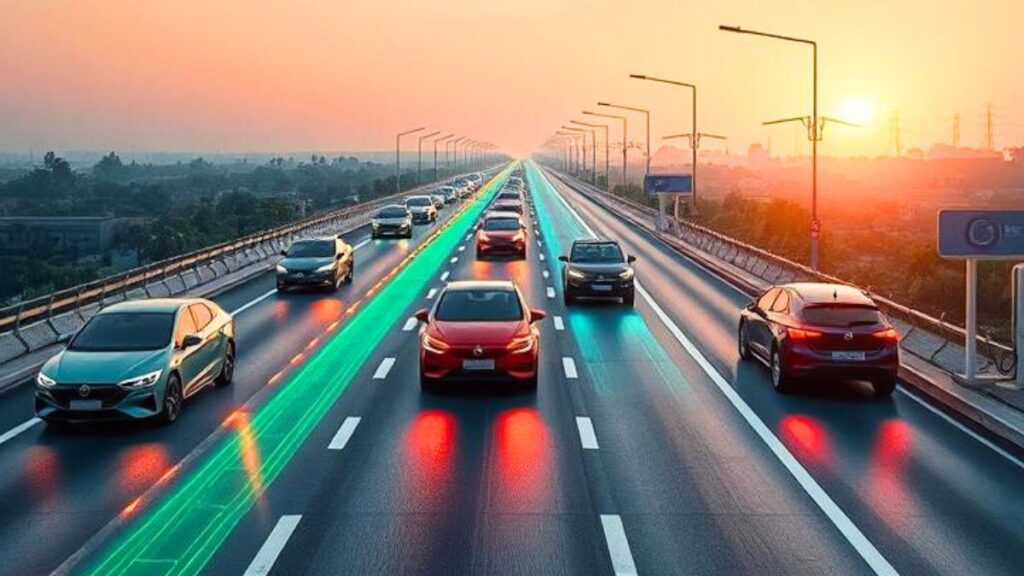
Countries like Germany, USA, or even India (in pilot initiatives) are checking out dynamic charging roads, where EVs can price whilst driving.
EV Charging Infrastructure in India and Abroad
India
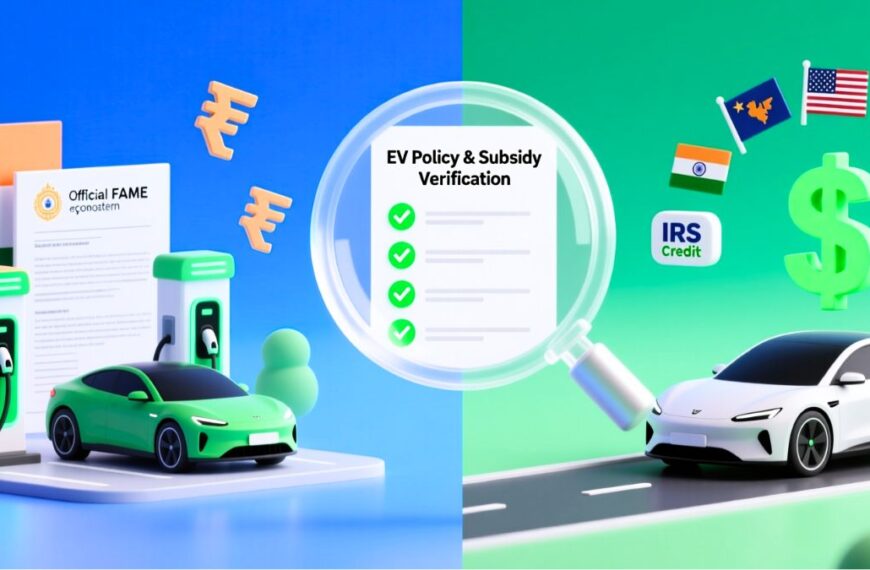
- The Indian authorities is pushing EV adoption through FAME II subsidies and tax advantages.
- Big players like Tata Power, Adani, Reliance, and Indian Oil are putting in public chargers.
- As of 2025, India has crossed 20,000+ public charging stations, but rural regions still lack infrastructure.
USA
- The USA has a robust community thanks to Tesla Superchargers, Electrify America, and ChargePoint.
- Federal incentives are driving enlargement into highways and smaller towns.
Europe
- Europe leads in charging density, with heaps of extremely-fast chargers.
- Norway is a global EV leader where charging stations outnumber petrol pumps.
Cost of EV Battery Charging
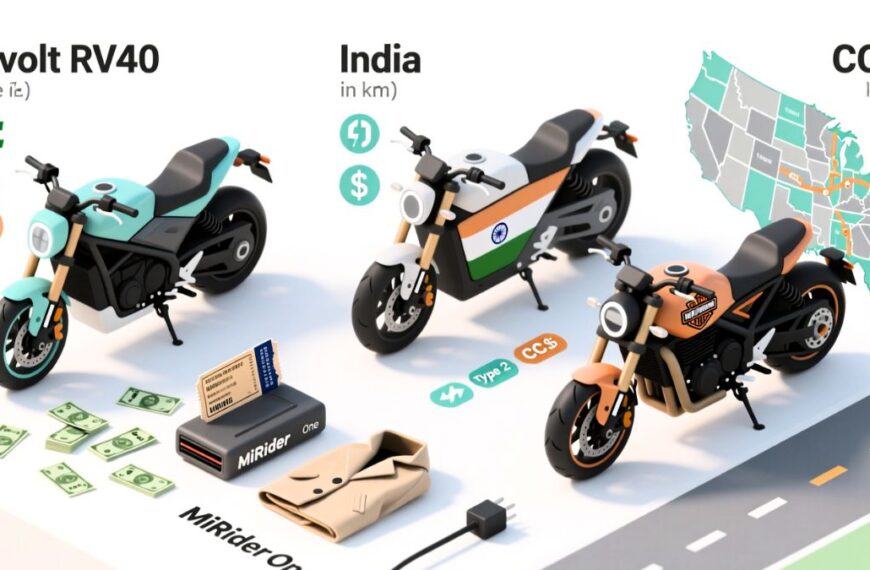
The value of electrical car battery charging varies by way of u . S ., energy quotes, and charging kind.
- India:
- Home charging expenses ₹7–₹nine per unit (kWh).
- Public speedy chargers value ₹15–₹20 in step with unit.
- A complete fee for a forty kWh EV battery = ₹three hundred–₹500.
- USA:
- Home charging prices round $zero.Thirteen–$zero.20 in line with kWh.
- Public speedy charging can price $0.30–$zero.40 in keeping with kWh.
- A full fee for a Tesla Model three (60 kWh) = $eight–$12 at home, $20–$25 at speedy stations.
- Europe:
- Costs are higher, averaging €zero.25–€zero.35 per kWh.
Comparison with Petrol/Diesel:
Even with higher energy charges, EV charging is 40–60% inexpensive than fueling with petrol or diesel.
How Charging Impacts Battery Life
Battery fitness is a first-rate difficulty for EV proprietors. Overcharging, deep discharging, or frequent rapid charging can lessen battery efficiency.
Best Practices:
- Avoid charging to one hundred% day by day; eighty–90% is right.
- Do no longer allow battery drop below 10%.
- Use speedy charging only while necessary.
- Park in shaded areas at some point of warm climate.
- Use clever charging apps that agenda charging at some stage in off-peak hours.
Challenges & Opportunities
Challenges
- Lack of charging stations in rural areas.
- Different charging connector types (CCS, CHAdeMO, GB/T) create compatibility troubles.
- High cost of putting in place extremely-fast chargers.
- Grid overload risks in densely populated regions.
Opportunities
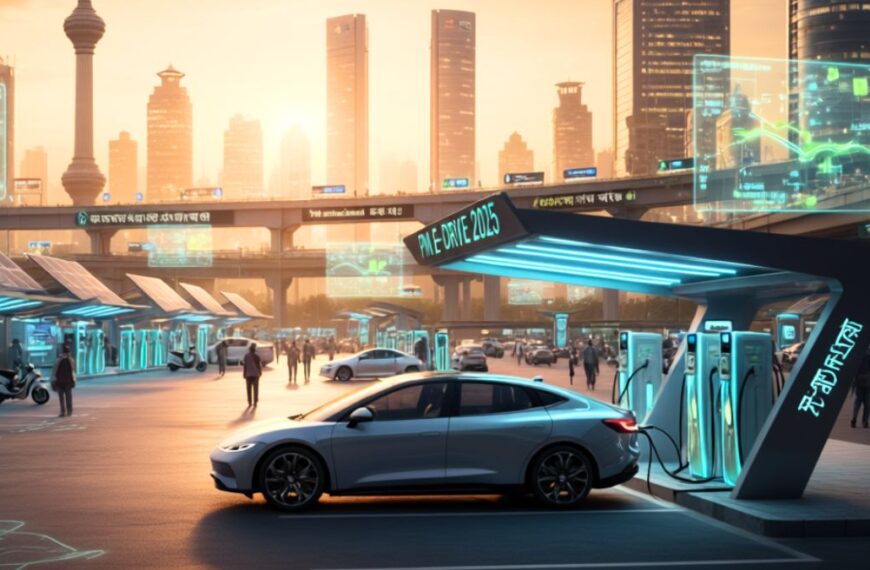
- Renewable Energy Integration: Solar-powered charging stations are developing.
- Battery Swapping Models: Companies like Ola Electric and SUN Mobility are experimenting with swapping stations.
- Smart Grids: Governments are working on AI-primarily based charging to balance power demand.
Future of EV Charging
The future of electric automobile battery charging appears promising. By 2030:
- India targets at the least one charging station every 25 km on highways.
- USA plans to impress 500,000+ charging points.
- Europe is shifting closer to one hundred% renewable-powered charging networks.
Innovations like solid-country batteries, robotic charging palms, and dynamic avenue charging will make charging quicker, more secure, and smarter.Conclusion
Electric automobile battery charging is extra than simply plugging in – it’s the lifeline of the EV environment. From home chargers to ultra-fast networks, the world is shifting closer to quicker, cheaper, and greener charging solutions. India is catching up quick, the us is increasing swiftly, and Europe already leads the race.
For EV owners, following best charging practices guarantees longer battery lifestyles and lower jogging charges. For the world, higher charging approach a quicker transition faraway from fossil fuels.
The street in advance is clear: reliable charging will make electric vehicles the natural desire for tens of millions in India, USA, and past.
FAQs for Electric Vehicle Battery Charging
- Q1: How lengthy does it take to rate an EV?
👉 It depends on the charger. Slow domestic charging takes 6–12 hours, while fast charging can take 30–ninety mins.
- Q2: Which charger is first-class for domestic use?
👉 A Level 2 AC charger (wall container) is good for every day domestic use.
- Q3: Can you overcharge an EV battery ?
👉 Modern EVs have integrated safety to forestall charging whilst the battery is complete.
- Q4: Is fast charging horrific for the battery?
👉 Occasional rapid charging is secure, however frequent use may also barely lessen long-time period battery fitness.
- Q5: How a whole lot does EV charging price in India & USA?
👉 India: ₹three hundred–₹500 for a full price. USA: $eight–$25 relying on charger kind.

 By
By